Archives
- 2026-08
- 2026-07
- 2026-06
- 2026-05
- 2026-04
- 2026-03
- 2026-02
- 2026-01
- 2025-12
- 2025-11
- 2025-10
- 2025-09
- 2025-03
- 2025-02
- 2025-01
- 2024-12
- 2024-11
- 2024-10
- 2024-09
- 2024-08
- 2024-07
- 2024-06
- 2024-05
- 2024-04
- 2024-03
- 2024-02
- 2024-01
- 2023-12
- 2023-11
- 2023-10
- 2023-09
- 2023-08
- 2023-07
- 2023-06
- 2023-05
- 2023-04
- 2023-03
- 2023-02
- 2023-01
- 2022-12
- 2022-11
- 2022-10
- 2022-09
- 2022-08
- 2022-07
- 2022-06
- 2022-05
- 2022-04
- 2022-03
- 2022-02
- 2022-01
- 2021-12
- 2021-11
- 2021-10
- 2021-09
- 2021-08
- 2021-07
- 2021-06
- 2021-05
- 2021-04
- 2021-03
- 2021-02
- 2021-01
- 2020-12
- 2020-11
- 2020-10
- 2020-09
- 2020-08
- 2020-07
- 2020-06
- 2020-05
- 2020-04
- 2020-03
- 2020-02
- 2020-01
- 2019-12
- 2019-11
- 2019-10
- 2019-09
- 2019-08
- 2019-07
- 2019-06
- 2018-07
-
br Conclusion br Conflict of Interest JJH has collaborated w
2021-09-17
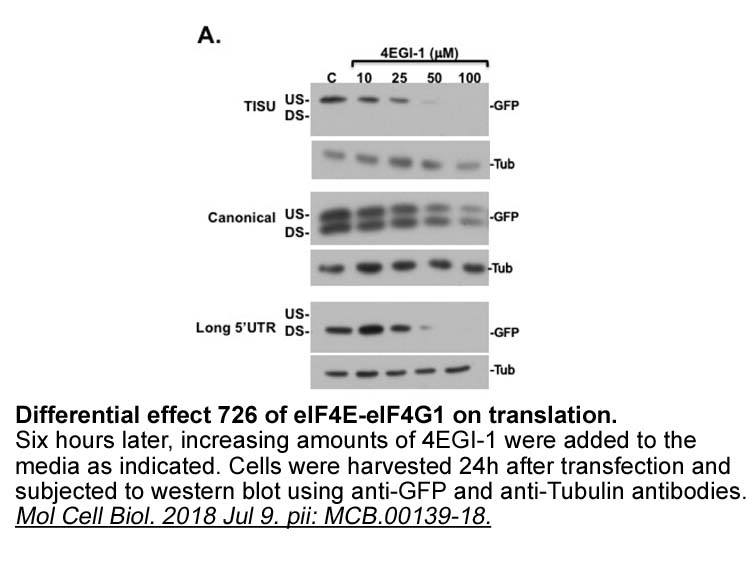
Conclusion Conflict-of-Interest JJH has collaborated with several different pharmaceutical companies during the last 30 years; is currently receiving speaker honoraria from NovoNordisk and MSD and is on advisory boards for NovoNordisk. The author is currently supported by an independent grant
-
GHRL effect on appetite is
2021-09-17
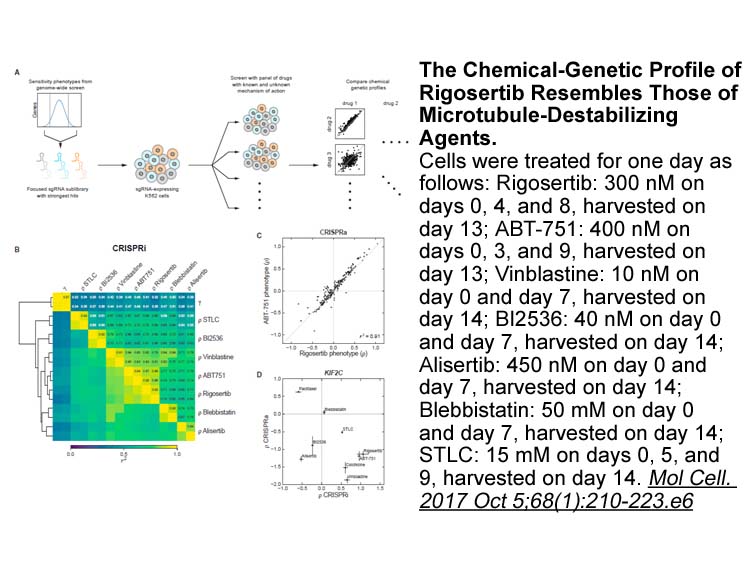
GHRL effect on appetite is influenced by its dose and route of administration, where central or peripheral administration of GHRL at low doses increases feed intake, via acting on orexigenic hypothalamic neurons, and decreases appetite at high doses in chickens (Jonaidi et al., 2012), quails (Shoush
-
Gap junction channels exhibit different types of gating
2021-09-17
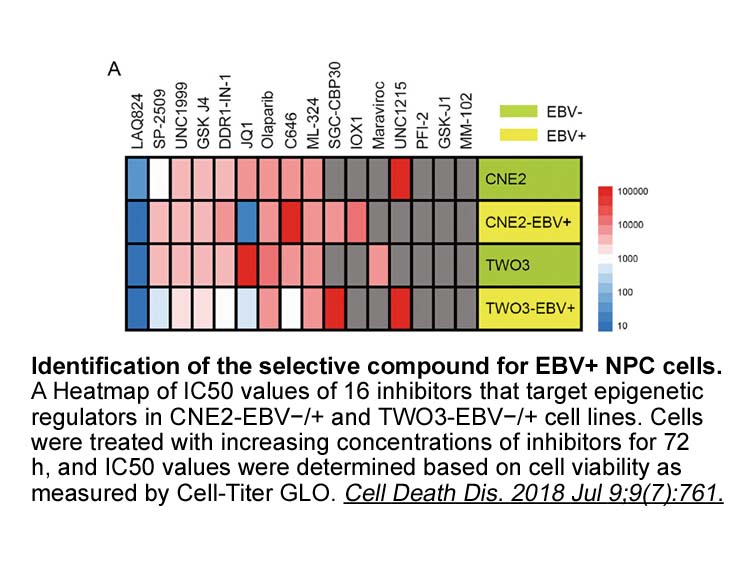
Gap junction channels exhibit different types of gating properties. One alternative mechanism that should be mentioned is loop gating in which the extracellular loop of connexin assumes a configuration to form a narrow pathway for closure of unopposed hemichannels [53] and docked junction channels [
-
br Fipronil resistance associated with A S and A G
2021-09-17
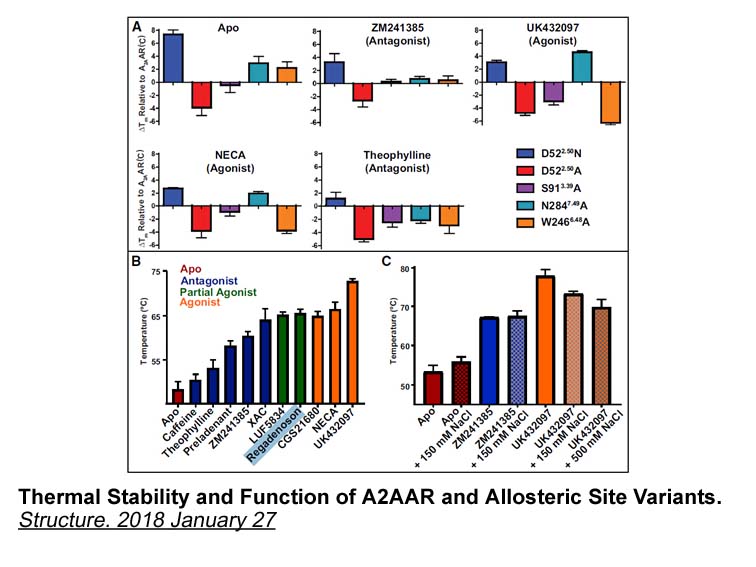
Fipronil resistance associated with A2′S and A2′G mutations Fipronil is a second-generation NCA (Fig. 1), and A2′S and A2′G mutations provide a low level of cross-resistance to fipronil (Cole et al., 1995, Gao et al., 2007). As shown in Table 1, the A2′S SR 3576 confers high resistance to dieldr
-
br Experimental Procedures Information on
2021-09-17
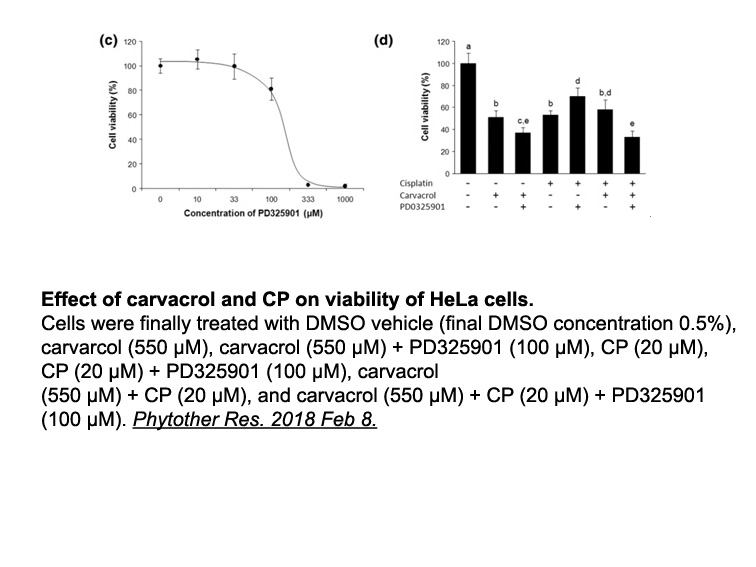
Experimental Procedures Information on the materials used in this study and the details of how the in vivo and in vitro assays were performed are provided in Supplemental Information. Acknowledgments This research was supported by the National Research Foundation of Korea (NRF) grant funded b
-
These observations are of particular interest in
2021-09-17
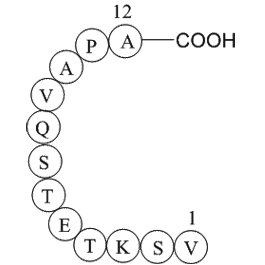
These observations are of particular interest in the context of recent conceptual changes regarding the mechanisms by which different types of leukocytes contribute to atherogenesis. Over the last decade, the paradigm of the predominant circulatory origin of lesional macrophages has been challenged
-
Tail group SAR of the imidazole derived
2021-09-17

Tail group SAR of the imidazole derived analogs is shown in . The previous SAR study from the discovery of AMG 837 revealed that a simple un-substituted meta-biphenyl tail group was less favorable in terms of potency. Efforts to introduce polarity to the tail group were not successful. When a methyl
-
Channeling of SFA away from generation of toxic
2021-09-17
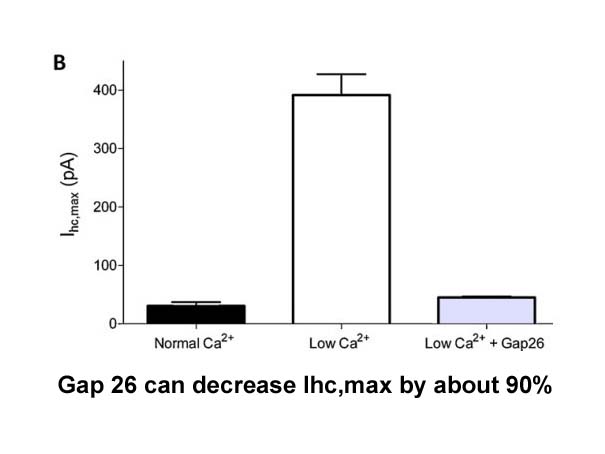
Channeling of SFA away from generation of toxic lipid metabolites such as ceramide, towards inert TG accumulation in response to cosupplementation with increased levels of MUFAs has previously been shown in many cell types including the pancreatic β-cells [37]. Our studies indicate that similar mech
-
br Acknowledgments br The study was funded by the
2021-09-17
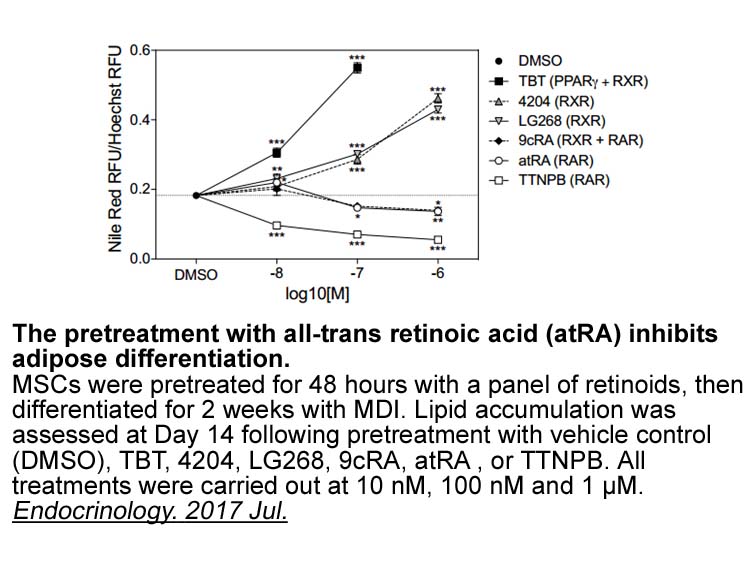
Acknowledgments The study was funded by the European Commission FP7-project Beta-JUDO (Grant 279153), and Swedish Diabetes Association (Grant DIA 2013-043) and Family Ernfors Foundation (Grant 150430). Free fatty Busulfan receptors (FFARs) represent a family of G-protein coupled receptors (G
-
Over of all melanomas have
2021-09-17
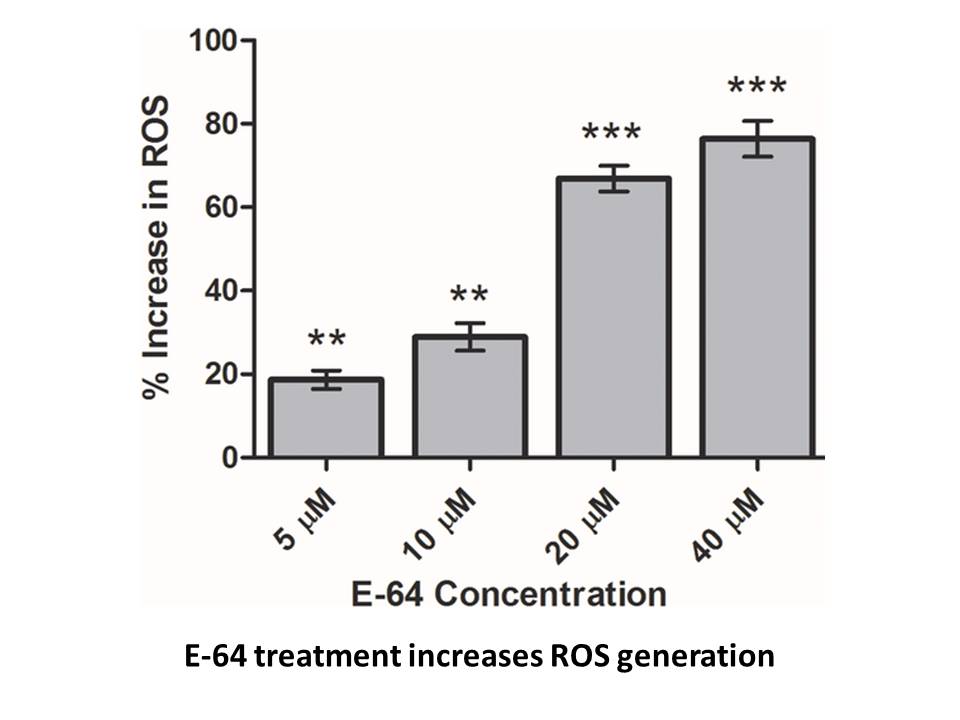
Over 50% of all melanomas have activating BRAF mutations [29] and inhibition of the Ras/Raf/MEK/ERK signaling pathways is one of the most promising treatments for malignant melanoma [30]. However, studies using BRAF inhibitors have identified various feedback mechanisms to activate BRAF pathway in m
-
br Acknowledgments We thank Prof Alexander D Johnson
2021-09-16
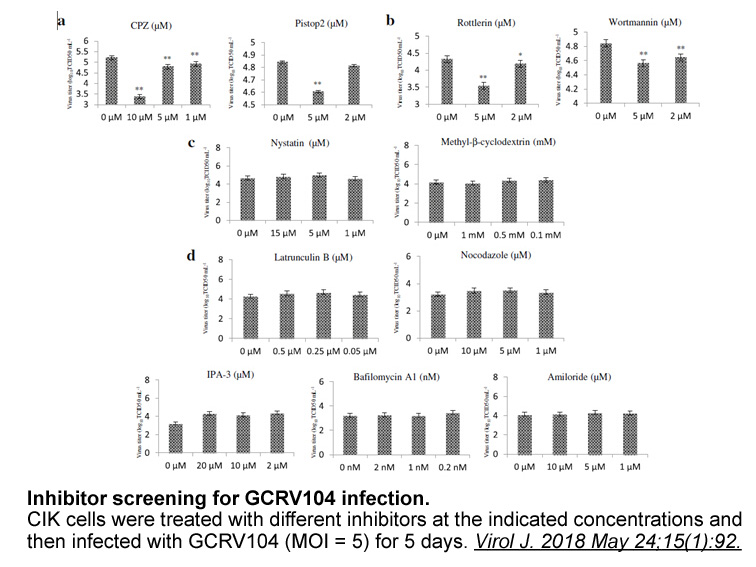
Acknowledgments We thank Prof. Alexander D. Johnson and Suzanne M. Noble for kindly providing SN strains. This work was supported by Chinese National Natural Science Foundation Grants 31370105 and 31300057, and Shanghai STCSM Grant 12JC1409300. Introduction Organisms modulate gene expression
-
Hippo signaling is unique in that it does
2021-09-16
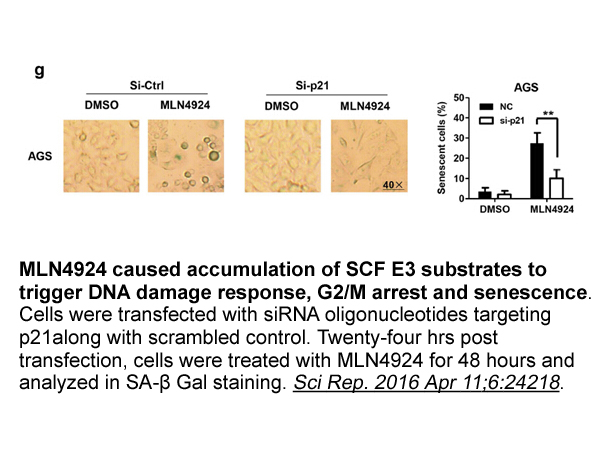
Hippo signaling is unique in that it does not possess a cognate ligand and receptor system. Instead, numerous upstream sensors that monitor cell morphology, cell polarity, cell-cell contact, and mechanical stress impinge onto the Hippo pathway core kinases, MST, and LATS. This in turn indicates the
-
The two competitive bivalent GlxI
2021-09-16
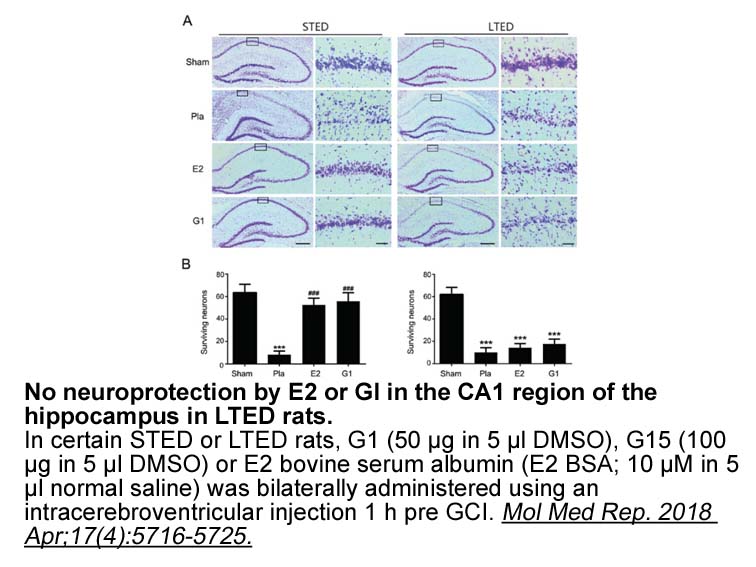
The two competitive bivalent GlxI inhibitors polyBHG2-62 (=1nM) and polyBHG2-54 (=0.3nM) () were designed based on the transition-state analog -(-bromophenyl--hydroxycarbamoyl) glutathione (BHG) by an examination of the X-ray crystal structure of human GlxI in complex with one CHG at each active sit
-
br Materials and methods br Results br Discussion Since
2021-09-16
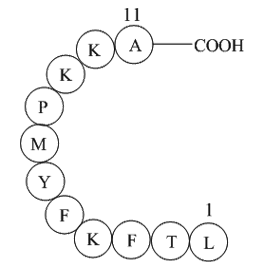
Materials and methods Results Discussion Since 1990s, solving structures for most DNA glycosylases by X-ray crystallography significantly advanced mechanistic understanding of the catalytic activity and substrate specificity of this important class of DNA repair enzymes. However, static str
-
The need for an inflammatory risk profile was recently
2021-09-16
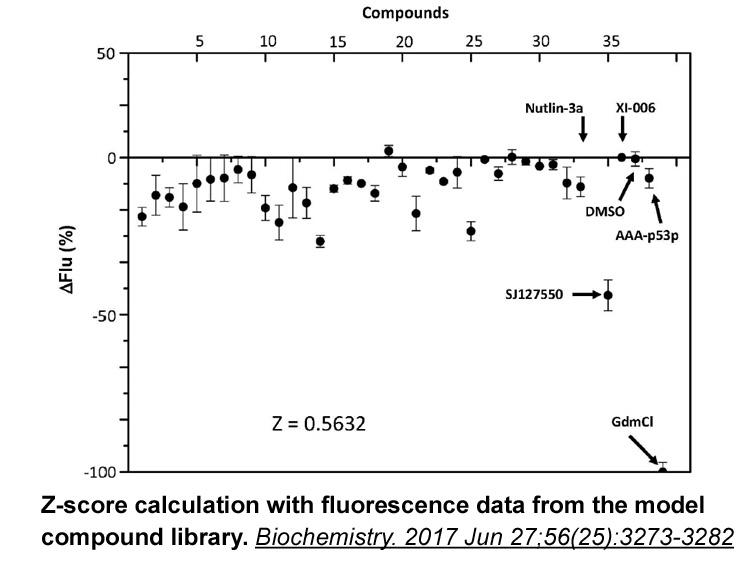
The need for an ‘inflammatory risk profile’ was recently discussed by several investigators. The present study is all the more significant in that it shows that a phenomenon that is influenced by various atherosclerotic risk factors and acute phase proteins is, indeed, associated with a less favorab
15793 records 632/1053 page Previous Next First page 上5页 631632633634635 下5页 Last page