Archives
- 2026-08
- 2026-07
- 2026-06
- 2026-05
- 2026-04
- 2026-03
- 2026-02
- 2026-01
- 2025-12
- 2025-11
- 2025-10
- 2025-09
- 2025-03
- 2025-02
- 2025-01
- 2024-12
- 2024-11
- 2024-10
- 2024-09
- 2024-08
- 2024-07
- 2024-06
- 2024-05
- 2024-04
- 2024-03
- 2024-02
- 2024-01
- 2023-12
- 2023-11
- 2023-10
- 2023-09
- 2023-08
- 2023-07
- 2023-06
- 2023-05
- 2023-04
- 2023-03
- 2023-02
- 2023-01
- 2022-12
- 2022-11
- 2022-10
- 2022-09
- 2022-08
- 2022-07
- 2022-06
- 2022-05
- 2022-04
- 2022-03
- 2022-02
- 2022-01
- 2021-12
- 2021-11
- 2021-10
- 2021-09
- 2021-08
- 2021-07
- 2021-06
- 2021-05
- 2021-04
- 2021-03
- 2021-02
- 2021-01
- 2020-12
- 2020-11
- 2020-10
- 2020-09
- 2020-08
- 2020-07
- 2020-06
- 2020-05
- 2020-04
- 2020-03
- 2020-02
- 2020-01
- 2019-12
- 2019-11
- 2019-10
- 2019-09
- 2019-08
- 2019-07
- 2019-06
- 2018-07
-
br Acknowledgements This work was supported by the FedEx Ins
2024-12-13
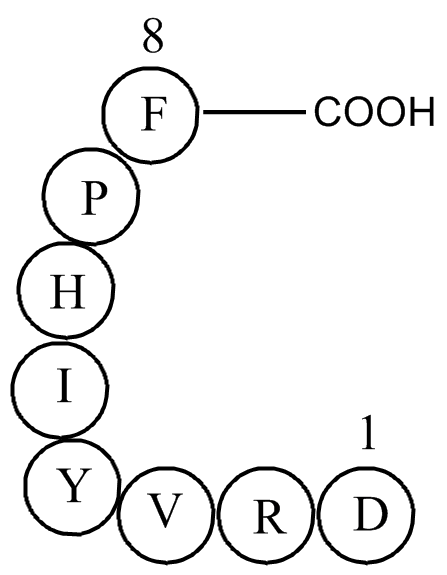
Acknowledgements This work was supported by the FedEx Institute of Technology at The University of Memphis (to DLB and ALP), NSF REU CHE 1156738 (to ALP in support of RSS), and NIHCA921060 (to GT). This material is based upon work supported by the National Science Foundation under Grant No. CHE-1
-
br Materials and methods br Results br
2024-12-13
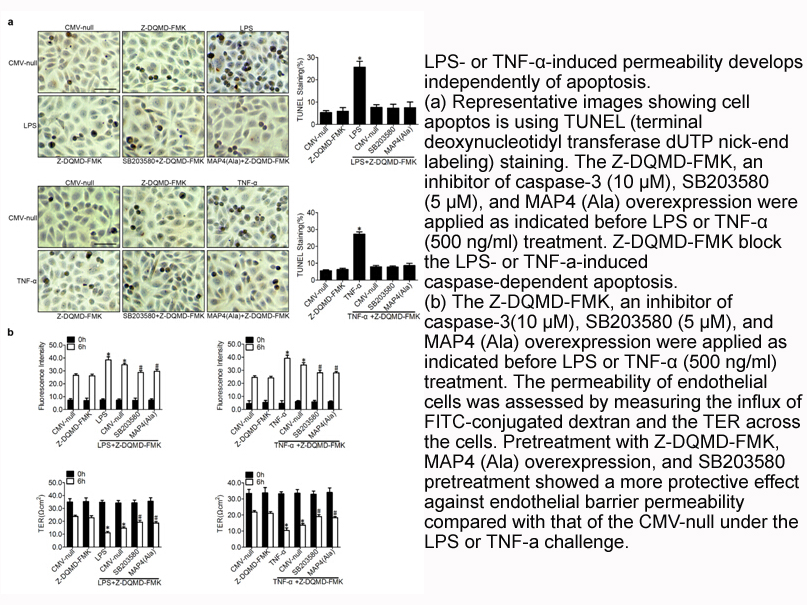
Materials and methods Results Discussions Our results indicated that autophagy was suppressed in GECs under HAGG treatment, through Akt/mTOR-dependent pathways. Previous reports provided clues for the linkages between ICs and endothelial cell autophagy. Fujii and colleagues reported that se
-
br Introduction Human esophageal carcinoma is
2024-12-13
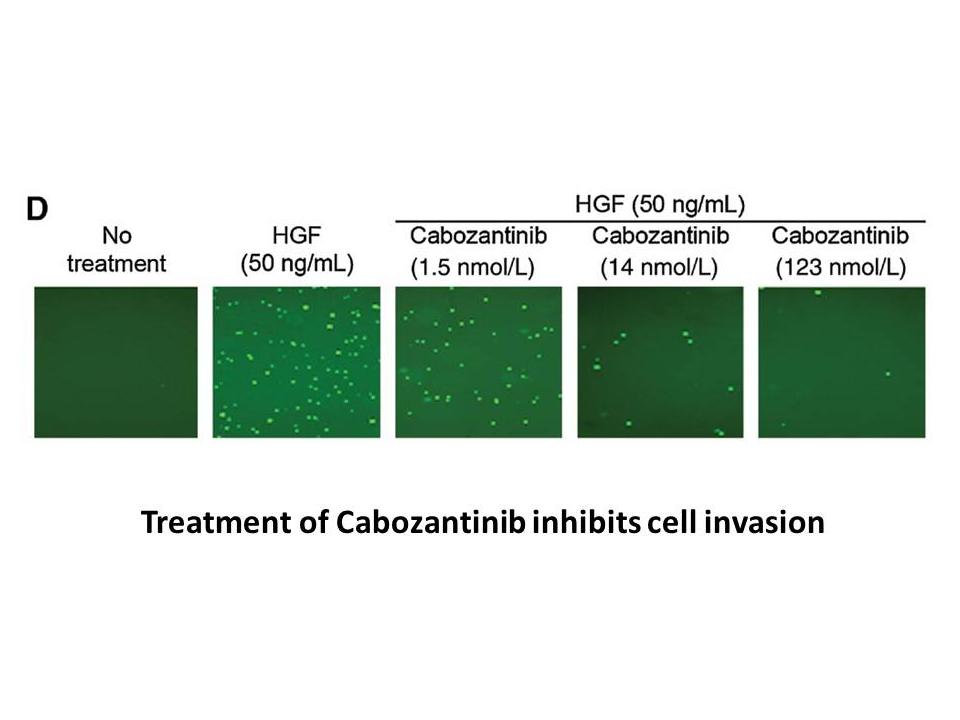
Introduction Human esophageal carcinoma is one of the most frequently diagnosed cancers, ranked as the eighth leading causes of cancer-related mortality worldwide. Esophagus squamous cell carcinoma (ESCC) is the most common histological type of esophageal carcinomas, especially with a higher inci
-
Several studies have demonstrated that depletion of
2024-12-13
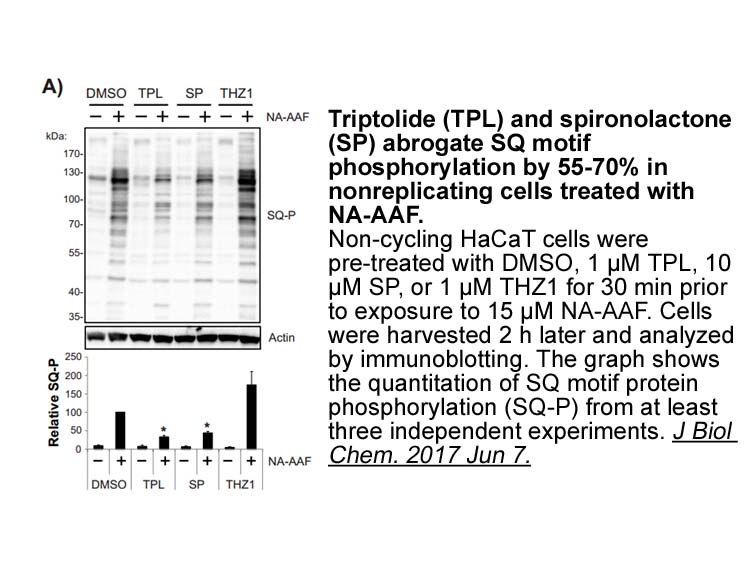
Several studies have demonstrated that depletion of functional ATR increases the sensitivity of cancer cells to oncogene-induced replication stress thereby hindering tumour growth and inducing extensive cell death (Gilad et al., 2010, Murga et al., 2011, Schoppy et al., 2012). Importantly, Schoppy e
-
l Arginine supplementation was reported to be efficient inef
2024-12-13
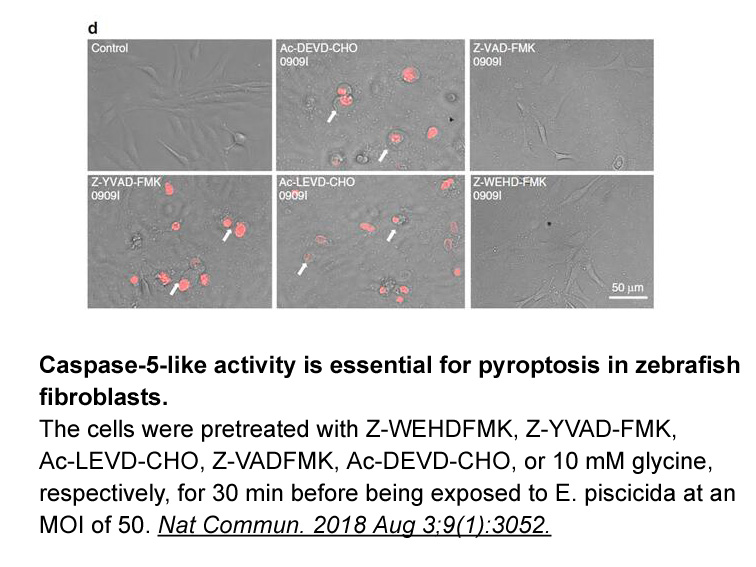
l-Arginine supplementation was reported to be efficient, inefficient or toxic in aged patients. The present study does not support our hypothesis that increased tissue arginase activity may account for the ineffectiveness and even the toxicity of l-arginine supplementation in ageing. Indeed, except
-
We further conducted stratified analyses to observe changes
2024-12-13
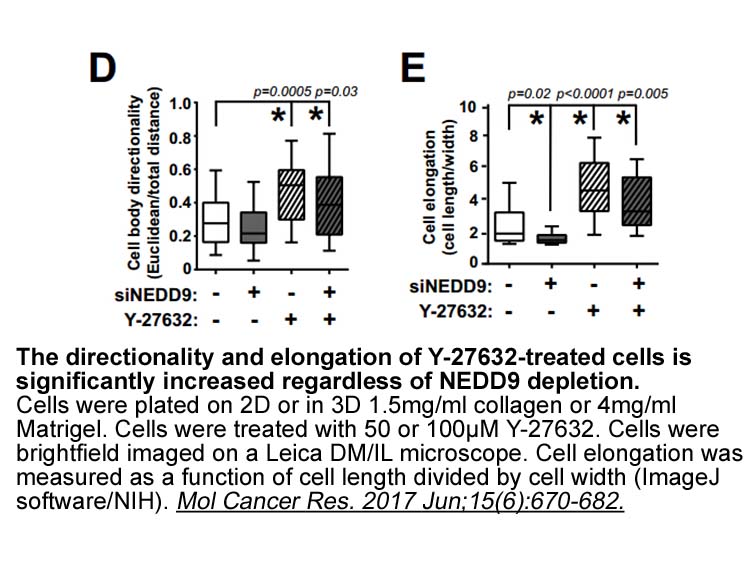
We further conducted stratified analyses to observe changes in enzyme levels across the periods by subgroups. Fig. 1 shows the changes in GPx levels by subgroups of age, sex, and smoking status. In all participants, GPx levels decreased when air pollution levels declined but increased after the Olym
-
Recently whey products have been added to nutritional
2024-12-13
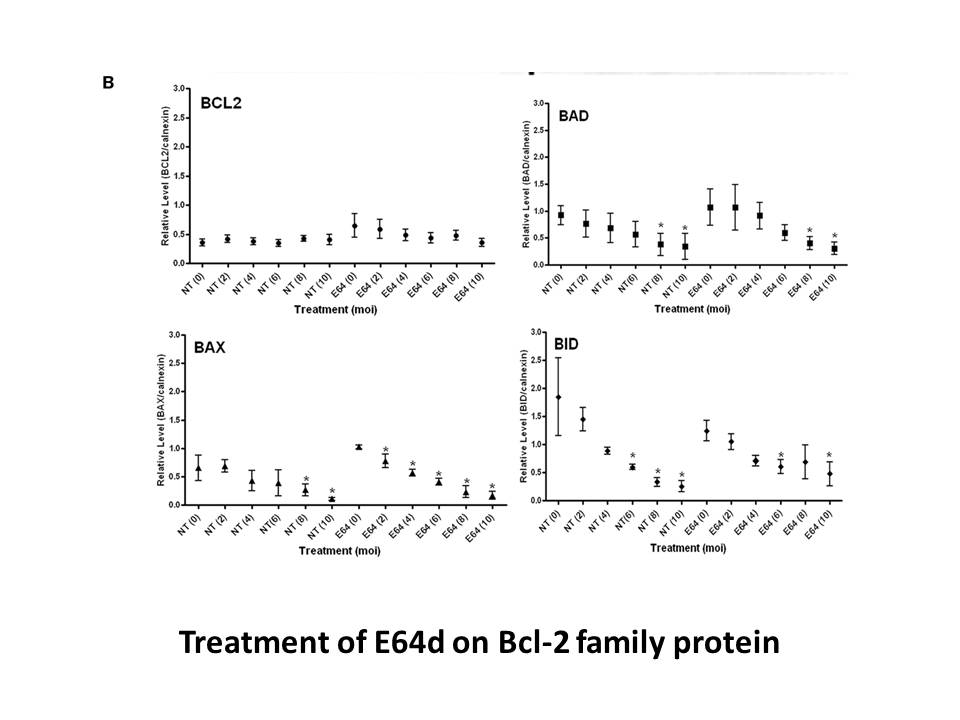
Recently, whey products have been added to nutritional beverages to boost their antioxidant capacity. Supplementation of a lemon drink with 1% WP hydrolyzed by subtilisin increased the antioxidant activity of the beverage from 0.75 to 7.79 mmol of TE/L (Athira et al., 2014). In addition, a flavored
-
Finally intracrine androgen synthesis metabolism can be acti
2024-12-13
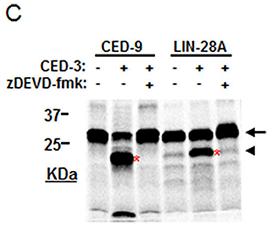
Finally, intracrine androgen synthesis/metabolism can be activated thus allowing BCECF-AM to bypass the low levels of androgens in the circulation by producing androgens themselves (Cai and Balk, 2011, Rahman et al., 2004). Moreover, changes in AR co-regulators like the overexpression of steroid re
-
The rescue of the behavioral deficit was
2024-12-12
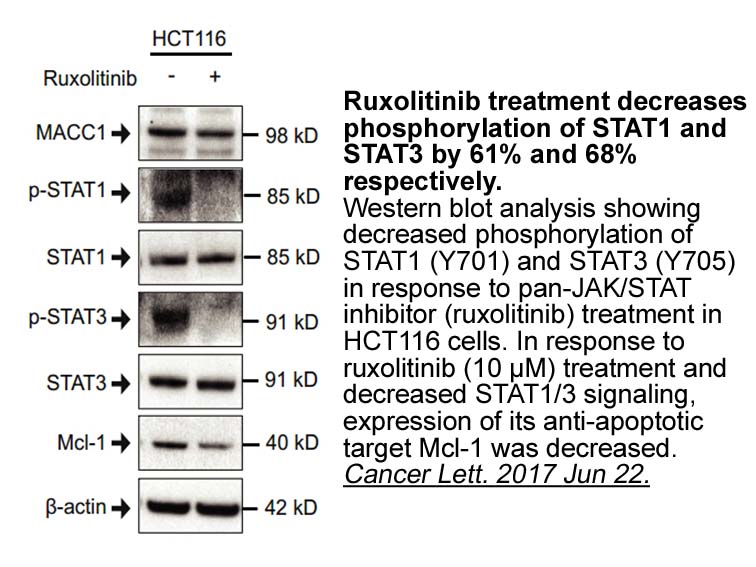
The rescue of the behavioral deficit was associated with a significant reduction in the levels of both soluble and insoluble Aβ peptides and their deposition in the GW441756 of the same animals. In search for the mechanism behind the reduced amyloidosis, we assessed APP metabolism. Confirming previ
-
In silico docking analysis performed in the
2024-12-12

In silico docking analysis performed in the current study indicated that TCDD strongly binds to AhR-LBD. Moreover, the formation of the TCDD/AhR-LBD complex was confirmed experimentally with the use of EMSA. We found that 10nM TCDD after 2 hours of incubation not only bound to the AhR in the porcine
-
br Acknowledgements Dr Paul J Gasser is supported
2024-12-12
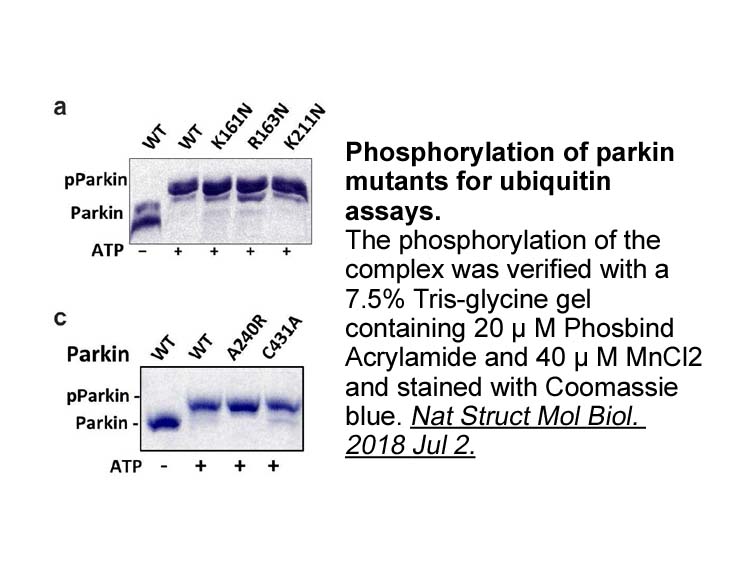
Acknowledgements Dr. Paul J. Gasser is supported by the National Institutes of Health (grant number R01DA032895), and the Charles E. Kubly Mental Health Research Center. Dr. Christopher A. Lowry is supported by the National Institutes of Health (grant number R21 MH116263), the Department of the N
-
The only psychostimulant treatment option in Turkey is methy
2024-12-12
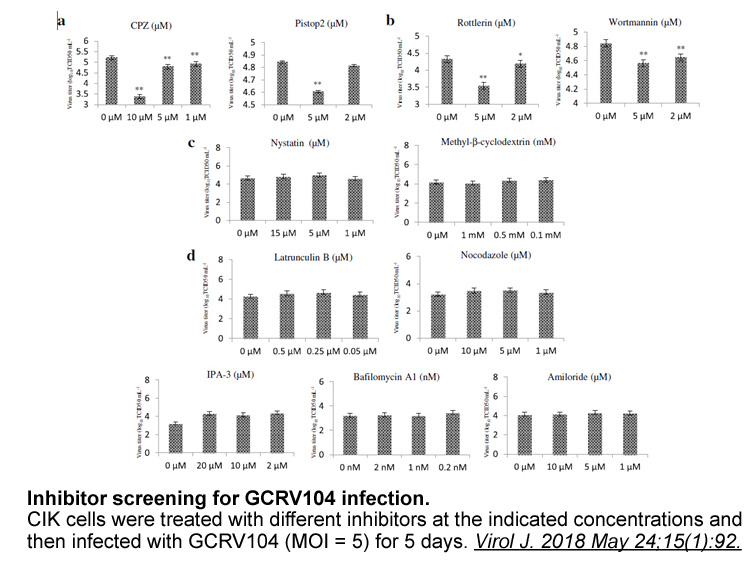
The only psychostimulant treatment option in Turkey is methylphenidate (Çetin et al., 2015). It is broken down by carboxylase enzyme (CES1) (Sun et al., 2004). From the point of pharmacokinetics, it may be suggested that CES1 gene polymorphisms may be the key responsible factors in patients resistan
-
glucose transporter br Effective therapeutic window of
2024-12-12
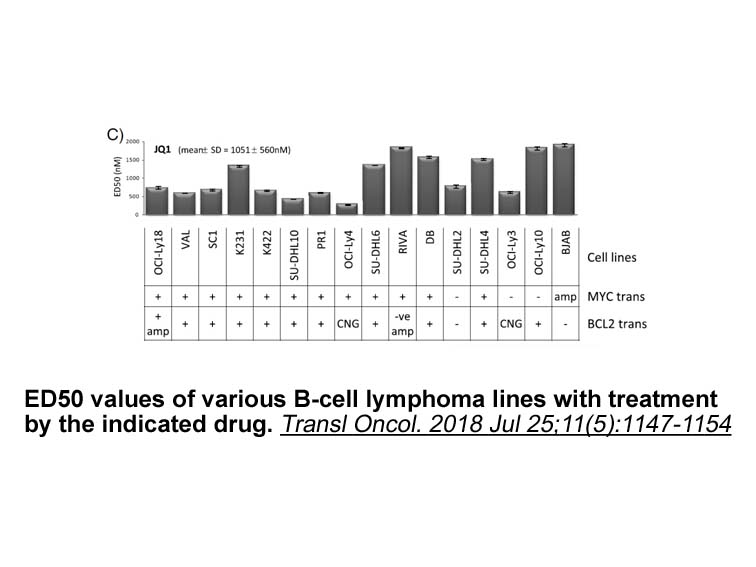
Effective therapeutic window of AR actions on ROP Retinal vasculature undergoes critical developmental changes postnatally: from P7 onward the superficial glucose transporter start sprouting vertically in retina to form first the deep then the intermediated vascular plexus in the retina of C57BL
-
The UV vis and fluorescence spectra have been
2024-12-12
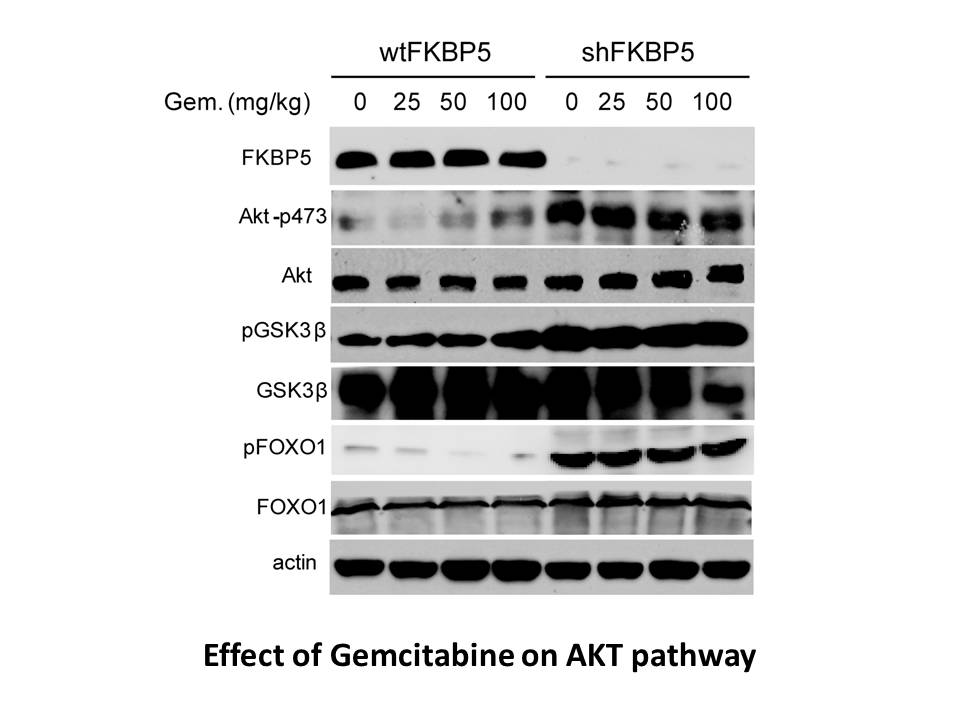
The UV–vis and fluorescence spectra have been used to study the interaction between small chemical molecules and biomolecules (Punith and Seetharamappa, 2012). The UV GSK3787 peak of the protein changes with the microenvironment of the chromophore. That is, the peaks may show a certain degree of red
-
chlortetracycline The first suggestions that the cleaved int
2024-12-12
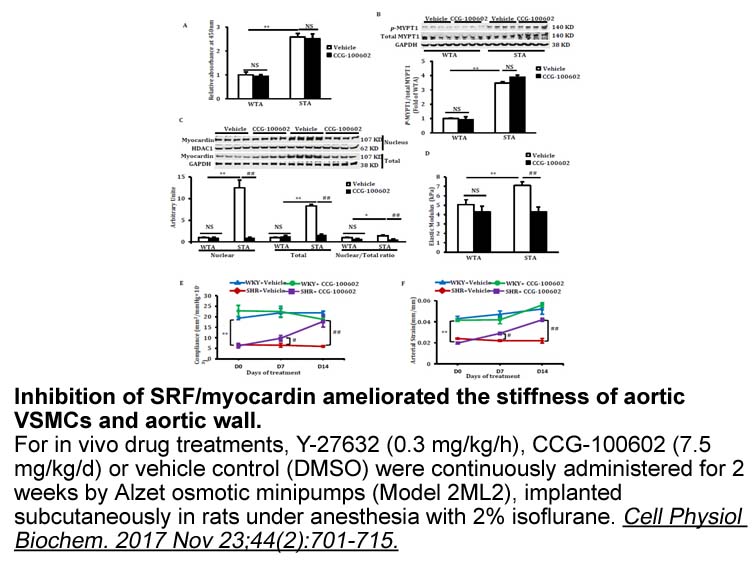
The first suggestions that the cleaved intracellular domain of APP, AICD, might transit to the nucleus and hence selectively regulate gene transcription arose from analogies with the Notch receptor signalling system where similar intra-membrane proteolysis occurs [84], [85] and it was later confirme
15783 records 70/1053 page Previous Next First page 上5页 6667686970 下5页 Last page